
Facials have never simply been about the surface of the skin.
Long before they became appointments squeezed between meetings, facial rituals were woven into daily life, seasonal rhythms and spiritual practice. Across ancient cultures, the face was understood as a meeting point - where breath, blood, emotion, expression and identity converge. To tend the face was to tend the whole being.¹
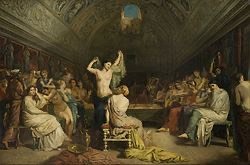
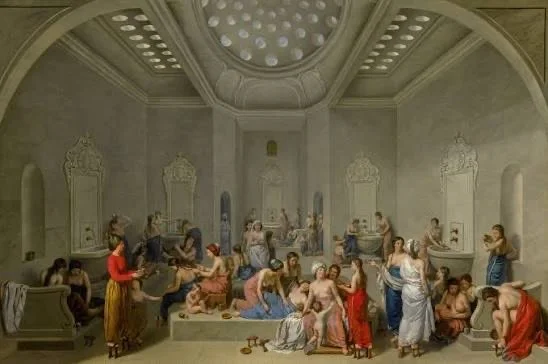
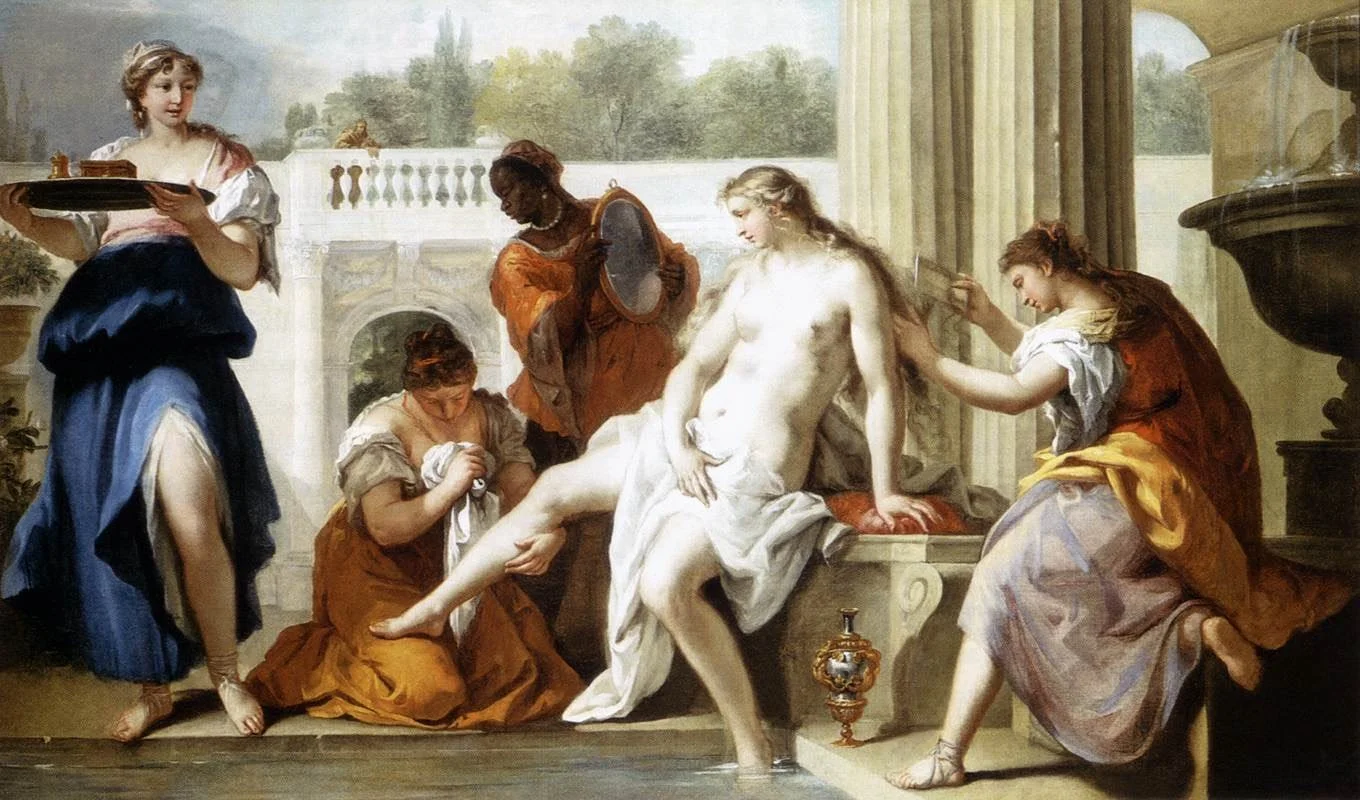
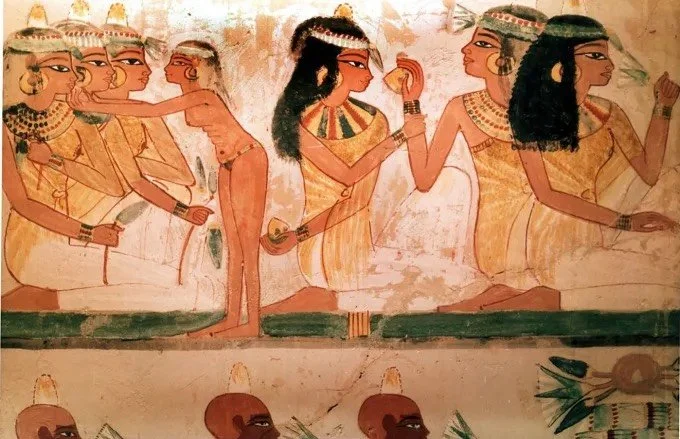
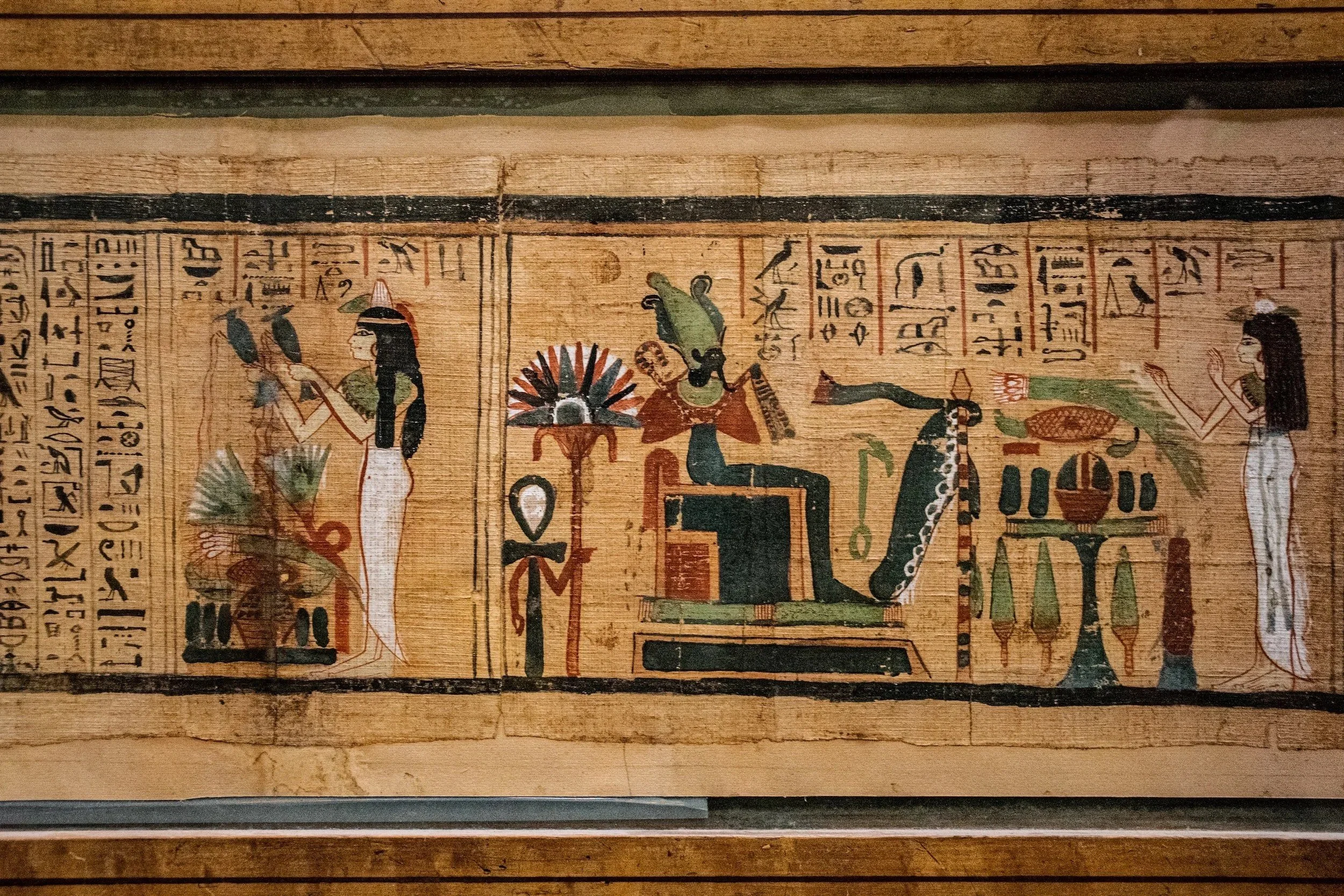
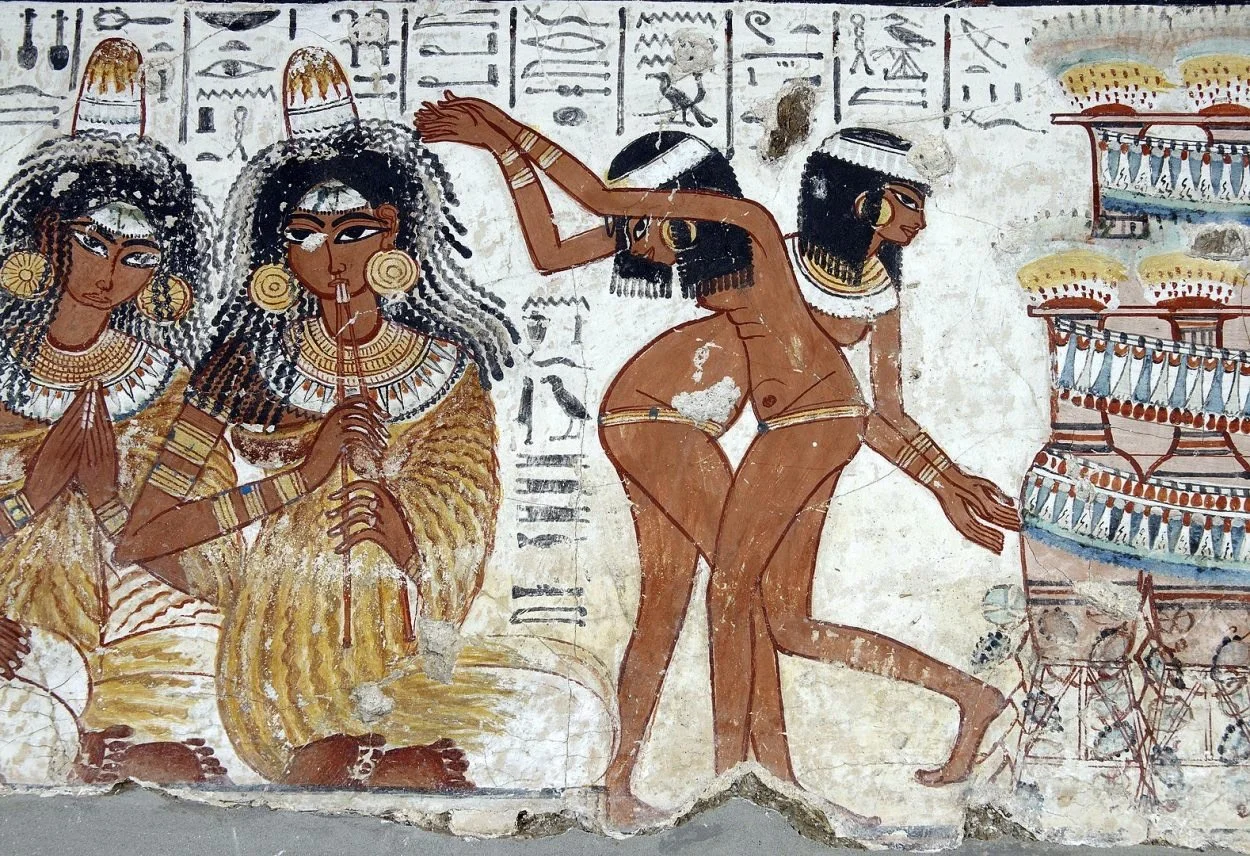
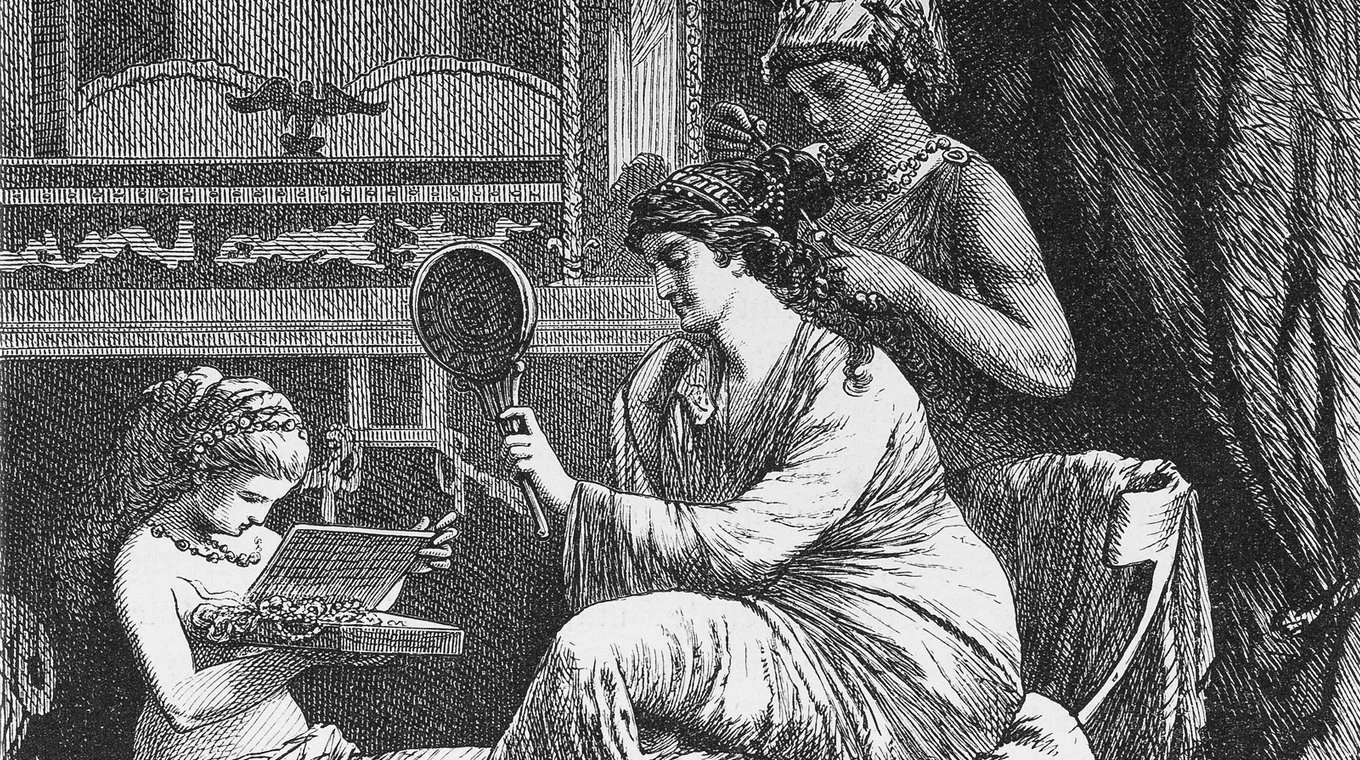
In Ayurveda, the face is mapped with marma points - subtle intersections of muscles, nerves, blood vessels and consciousness.² In Traditional Chinese Medicine, the face mirrors the internal organs, carrying diagnostic meaning in colour, tone and texture.³ In Egyptian culture, the face was anointed and protected not only for life, but for the afterlife, prepared as a vessel for the soul’s journey.⁴ In Greco-Roman bathing cultures, facial care formed part of communal rituals of cleansing, restoration and belonging.⁵
These practices were not vanity. They were medicine.
At SPELL, we honour this lineage while working with modern anatomical and physiological understanding - not as something separate from ritual, but as its contemporary language.

Touch as regulation
The skin is our largest sensory organ, densely innervated and in constant communication with the nervous system. Slow, intentional touch activates specialised receptors that signal safety to the brain, shifting the body out of fight-or-flight and into rest-and-repair.⁶
This is measurable. When the nervous system feels safe, cortisol reduces, inflammatory signalling quietens, digestion improves and tissue repair is prioritised.⁷ Breath deepens. Muscles soften. The jaw releases. The body remembers how to rest.
Facial rituals work at a particularly potent level because of the density of nerves and sensory input in the face, scalp and neck. Gentle work around the ears, jaw and occipital region influences vagal tone - a key pathway of parasympathetic regulation.⁸ This is why facial touch can feel profoundly calming, sometimes emotional. The body is not being treated. It is being reassured.
Fascia: the hidden web
Beneath the skin lies fascia - a continuous connective tissue network that responds to stress, posture, repetition and emotional holding.⁹ Over time, facial fascia can become restricted, contributing to tension, discomfort and visible changes in expression.
Slow, sustained manual work allows fascia to soften and rehydrate, restoring glide and mobility.¹⁰ When restriction eases, circulation improves, nerve signalling becomes clearer and the face often appears more open, lifted and at ease.
Fascia does not hold “memory” in a mystical sense, but it does adapt to lived experience. The body keeps score of how it has learned to cope.¹¹ Facial rituals offer a chance to soften those adaptations.
Lymphatic flow & immune support
The lymphatic system plays a central role in immune transport, fluid balance and inflammation regulation.¹² Unlike the circulatory system, it has no pump - relying instead on movement, breath and gentle external stimulation.
When lymphatic flow is sluggish, fluid can accumulate, often showing up as puffiness or congestion in the face and neck - particularly during colder months when circulation naturally slows.¹³
Gentle lymphatic stimulation supports natural drainage pathways and healthy immune signalling.¹⁴ It does not “boost” immunity, but it supports one of the immune system’s core transport systems - helping the body manage fluid, inflammation and seasonal sluggishness.
Traditional facial tools and techniques - from gua sha to rhythmic massage - intuitively addressed this long before lymphatic anatomy was formally described.
The skin-brain axis
Modern research now recognises the skin as a neuroendocrine organ, capable of producing neurotransmitters and responding directly to stress hormones.¹⁵ When the nervous system is under chronic stress, the skin barrier weakens, sensitivity increases and healing slows.¹⁶
Facial rituals support the skin-brain connection through multiple pathways at once: touch, warmth, rhythm, scent and presence. As stress signals quieten, the skin’s capacity to repair, regenerate and protect itself improves.
This is not force. It is permission.
Natural materials as cultural medicine
Before synthetic actives, cultures worked with what the land offered - and what carried meaning.
Honey was prized for its antimicrobial, humectant and preservative qualities, and symbolised abundance and immortality in Egyptian ritual.¹⁷ Clays were drawn from the earth to purify, cool and rebalance, chosen according to constitution and season.¹⁸ Dairy - milk, yoghurt, fermented creams - appeared in bathing and skin rituals across Europe, the Middle East and South Asia, offering gentle exfoliation through lactic acid alongside deep nourishment.¹⁹
Oils carried both medicine and symbolism. Olive, sesame and almond oils protected the skin barrier, delivered botanicals and allowed touch to be slow and sustained - essential for nervous system regulation.
These materials were never separate from ritual. How they were applied mattered as much as what was applied.
Ritual as a healing container
Ritual creates safety. Predictable sequencing, consistent rhythm and intentional presence allow the nervous system to relax its guard. This is why ritualised care is so powerful. Healing does not happen because something is done to the body - it happens because the body is given the conditions to respond.
The practitioner’s own regulated nervous system matters here too. Touch carries information. Presence is felt.
Beyond the face
Perhaps the most overlooked benefit of facial rituals is their impact on presence and embodiment.
Being touched with care - without performance or productivity - improves interoception: the ability to feel and inhabit the body from within.²⁰ Clients often report improved sleep, reduced jaw and neck tension, emotional clarity and a renewed sense of self-connection.
These are not side effects. They are central outcomes.
A return to whole-being care
Technology has its place. Advanced modalities can support circulation, collagen renewal and tissue health when used thoughtfully. At SPELL, they are integrated as part of a wider ritual - never overriding the body’s signals, always in service of balance.
But technology alone is not medicine. Medicine is relationship. Medicine is rhythm. Medicine is touch that listens.
This is not simply a facial. It is a return to ritual. A recalibration of the nervous system. A remembering that skin care is whole-being care.
If you would like to find out more about our facial rituals please follow this link
//
References & Further Reading
¹ Moore, T. Care of the Soul
² Lad, V. Textbook of Ayurveda
³ Maciocia, G. Foundations of Chinese Medicine
⁴ Nunn, J. Ancient Egyptian Medicine
⁵ Jackson, R. Doctors and Diseases in the Roman Empire
⁶ McGlone et al., Neuroscience & Biobehavioral Reviews
⁷ Dhabhar, F. Stress and Immune Function
⁸ Porges, S. The Polyvagal Theory
⁹ Schleip et al. Fascia: The Tensional Network
¹⁰ Myers, T. Anatomy Trains
¹¹ van der Kolk, B. The Body Keeps the Score
¹² Foldi, M. Textbook of Lymphology
¹³ Mortimer, P. Lymphatic Disease
¹⁴ NIH — Lymphatic System & Immunity
¹⁵ Slominski et al., Physiological Reviews
¹⁶ Dhabhar, F.
¹⁷ Crane, E. Honey: A Comprehensive Survey
¹⁸ Vaughn, A. Clay and Healing
¹⁹ Historical dermatological texts on lactic acid and fermentation
²⁰ Craig, A. Interoception, Nature Reviews Neuroscience
